AI by industry
AI for healthcare with clinicians in control
We build AI for hospitals, clinics and digital health companies that takes paperwork off clinical and admin staff: drafting notes and letters, sorting referrals, assembling prior authorization packets and answering routine patient questions. A qualified person reviews anything that touches care.
01 /
Less paperwork, the same clinical judgment
- OpenAI
- Claude
- Hugging Face
- LangGraph
- Python
- FastAPI
- PyTorch
- OpenCV
- FHIR
- PostgreSQL
- Next.js
Clinicians and front-desk teams give a large share of their day to documentation, inbox work and payer paperwork, and most of it means re-entering information that already exists in a transcript, a referral letter or the chart. That is the part AI handles well. We build tools that draft from what is already known and put the draft in front of the person accountable for it, inside the systems they already use.
Healthcare is also where a confident wrong answer does harm, so our designs are assistive by default. Outputs show their sources, uncertain fields are flagged rather than guessed, and nothing reaches a patient record or a payer without review. Protected health information is handled under HIPAA safeguards and your business associate agreements, with each step given access only to the data it needs.
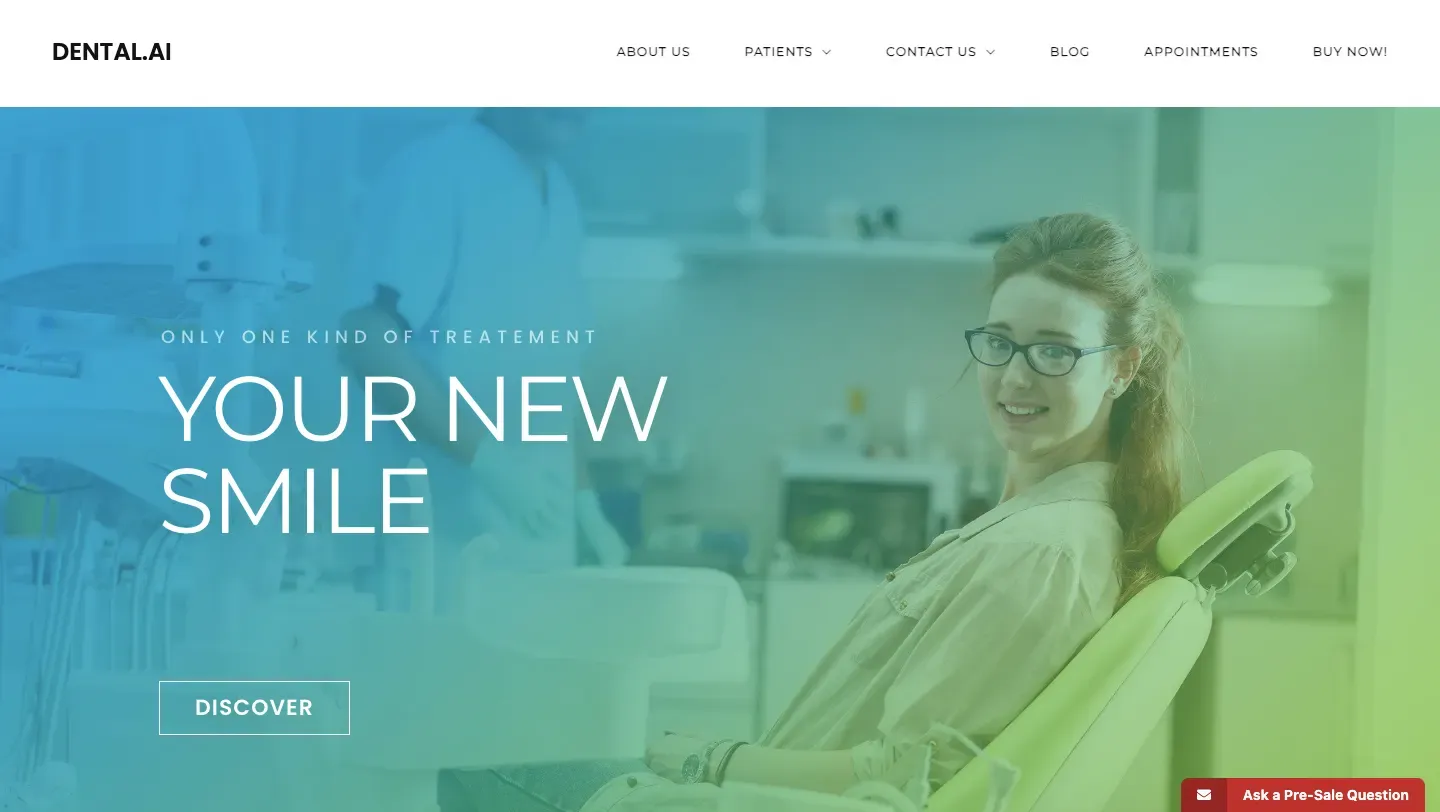
We have shipped AI in this field before. Krapton engineered Dental.AI, a platform that analyzes dental images and returns findings patients can understand, from the interface to the analysis pipeline. That work, from image processing to explaining results in plain language, informs how we approach every healthcare project.
02 /
Where AI helps clinical and administrative teams
In each case a clinician or trained staff member stays responsible for the result, working in the EHR, practice management system or portal they already use.
Clinical documentation drafts
Turn visit recordings, dictation or typed notes into a structured draft note, referral letter or discharge summary in your templates, for the clinician to edit and sign before anything is filed.
Referral and intake triage
Read incoming referrals, faxes and intake forms, extract the clinical details and anything missing, and suggest a priority and destination queue for staff to confirm against your triage rules.
Prior authorization packets
Gather the diagnosis, history and supporting notes a payer's criteria ask for, draft the request and highlight gaps, so staff submit complete packets instead of chasing documents after a denial.
Coding and billing support
Suggest diagnosis and procedure codes from the documentation, with the supporting text highlighted, for certified coders to accept or change, and flag documentation gaps before a claim goes out.
Patient messaging assistants
Answer questions about appointments, preparation, directions and bills from your approved content, draft replies to portal messages for staff, and route anything clinical or urgent straight to a person.
Imaging and record analysis
Analyze images and scanned records to highlight possible findings for a clinician to review. The output supports a diagnosis and never replaces one, and any function that could count as a medical device is flagged early.
03 /
What your clinical and IT teams receive
An integrated tool
The application deployed in your cloud environment and connected to your EHR or practice system through FHIR, HL7 or the vendor's own interfaces.
Clinical evaluation report
Results on a test set your clinicians helped build, covering accuracy, omissions and the failure modes they consider dangerous, with worked examples of each.
PHI data flow map
Where protected health information travels, who can see it, how long it is kept and which safeguard covers each step, prepared for your privacy and security officers.
Review screens and audit trail
The interface staff use to accept, edit or reject each draft, and a log of every output with the name of the person who approved it.
Monitoring and a pause switch
Quality and usage dashboards, a simple way for staff to report a bad output, and a documented procedure for pausing the tool if something goes wrong.
Training for staff
Short guides and sessions for clinicians and front-desk teams on using the tool, checking its drafts and reporting anything that looks wrong.
04 /
How we deliver healthcare AI
Clinical staff take part at every stage, because they are the ones who decide whether a tool is safe and worth using.
01
Shadow the workflow
We watch how clinicians and staff handle the task today, where the information comes from and what they would accept as a good draft, then agree the line between what the tool drafts and what a person decides.
02
Agree safeguards and scope
With your privacy officer we map the protected health information involved, confirm a business associate agreement is in place with every vendor that touches it, and check whether any function could count as a medical device.
03
Evaluate with your clinicians
Clinicians help assemble a test set from real, de-identified cases and grade the outputs. We measure errors and omissions, compare performance across patient groups, and fix weaknesses before anyone relies on the tool.
04
Pilot, monitor, expand
A pilot runs with one team or site, with feedback built into the screen and quality tracked throughout. Wider rollout follows only when the evidence and your clinical leads support it.
05 /
Patient safety, privacy and regulation
Healthcare AI answers to more than one rulebook. HIPAA governs how protected health information is used and disclosed, so every vendor that handles it, model providers included, needs a business associate agreement, and access is held to the minimum each task requires. GDPR treats health data as a special category for patients in Europe. Software that analyzes medical images or recommends a diagnosis can fall under FDA medical device rules or the EU MDR, and then needs a regulatory route before clinical use.
We raise those questions during scoping and design functions to stay assistive, but your clinical, privacy and regulatory leads decide how the rules apply to your organization. Passing our tests is evidence for your clinical safety case, not a substitute for it. The tools support qualified professionals and are not built to give medical advice to patients on their own.
06 /
From our work
07 /
Related services
Healthcare software
We build telemedicine, EHR, remote-monitoring and patient platforms with HIPAA-grade security and FHIR-native interoperability.
Create customer support AI
You need an AI layer over your support stack — triage, summarise, draft replies — without ripping out tooling.
Fix LLM hallucinations
Your LLM confidently invents facts — fake citations, made-up API responses, wrong product details — and users have noticed.
Build LLM evaluation pipeline
You ship LLM features by vibes — there's no automated eval, so model swaps and prompt changes are pure gut feel.
AI for insurance
Claims intake, underwriting support and policy answers.
AI for fintech and banking
KYC documents, fraud signals and service in regulated finance.
08 /
Frequently asked questions
Can AI be HIPAA compliant?
Yes, when the whole system is designed for it. That means a business associate agreement with every vendor that handles protected health information, including the model provider, plus encryption, access controls, audit logs and retention rules. Compliance also depends on how your organization runs the system day to day, so we document the safeguards for your privacy and security officers to assess.
Which AI models can be used with patient data?
Microsoft Azure, AWS and Google Cloud host models from OpenAI, Anthropic, Google and others, and each cloud offers a business associate agreement for its eligible services. OpenAI and Anthropic also offer agreements for qualifying API use. Open models run in your own environment are another route when data must not leave it. We confirm terms and settings with your privacy team before real patient data is used.
Does the AI replace clinical judgment?
No. We build tools that draft, extract, summarize and flag for a qualified person, who stays responsible for the decision. If a function would directly influence diagnosis or treatment, it may count as a medical device and need a regulatory route, and we raise that during scoping rather than after launch.
Can the AI work inside our EHR?
Usually. Most modern EHRs, including Epic, Oracle Health and athenahealth, offer FHIR APIs and support SMART on FHIR apps, and older systems often provide HL7 feeds. What an integration can read and write depends on your EHR configuration and vendor agreements, so we confirm access during discovery before committing to a design.
How do you test a healthcare AI tool before go-live?
We start from cases your clinicians have already handled, with identifiers removed, and ask them to grade what the tool produces. We measure accuracy and omissions, look at how results vary across patient groups, and record the failure modes clinicians consider dangerous. The pilot then runs with a feedback control on every output, so problems surface quickly and feed the next round of testing.
Has Krapton built healthcare AI before?
Yes. Dental.AI, an AI dental platform, was built by Krapton across the whole stack: a React and TypeScript interface, a Python pipeline that analyzes dental images, and Java Spring Boot services with MySQL for accounts and records. A patient submits a dental image and gets findings written in language they can follow. The case study on this site describes the project.
Ready to build AI that actually works in production?
Tell us about your AI project and get a free technical consultation within 24 hours. We'll map your use case, assess your data, and give you an honest feasibility assessment — no sales pitch.