AI solutions
AI chatbots and voice assistants for customer service
We build chat and voice assistants that answer from your approved content, look things up in your live systems, complete simple requests and pass the rest to your team with the conversation summarized. They work on your website, app, WhatsApp and phone lines.
01 /
Built to answer well and hand over cleanly
- OpenAI
- Claude
- Gemini
- LangChain
- Next.js
- React Native
- Node.js
- Python
- PostgreSQL
- Redis
- Twilio
- WhatsApp Cloud API
Many people distrust chatbots because the older ones were decision trees with a text box: they matched keywords, offered a few buttons and trapped people in loops. Language models solved the understanding problem and introduced a new one, confident answers that are wrong. A useful assistant needs both solved: it understands what people mean, and it only says what your content and systems can back up.
Krapton builds assistants that do both. General answers come from a retrieval index over your help center, policies and product data. Anything specific to a customer, such as an order status or a free appointment slot, comes from your systems through scoped API calls. The assistant can complete simple requests you approve, like rescheduling a booking, and it hands over to a person, with the full context, when a request is sensitive, unclear or outside its scope.
Voice raises the bar again. Callers will not wait while a model thinks, so a voice assistant streams speech recognition, reasoning and speech synthesis together, copes with interruptions and reads names, numbers and dates back to confirm them. Recordings and transcripts follow your retention rules, and callers are told at the start that they are speaking with an automated assistant.
02 /
What chat and voice assistants handle
Each assistant is scoped to a job, with clear rules for what it may say, what it may do and when it must hand over.
Customer support on web and in-app
Answers product, billing and policy questions from your help center, checks order or account status through your systems, and opens a ticket with a summary when a person needs to step in.
WhatsApp assistants
Handles order updates, delivery questions, reminders and lead capture on WhatsApp Business, uses approved templates for messages sent outside the customer service window, and passes chats to your team's inbox.
Voice assistants for inbound calls
Answers calls, works out why the person is calling, books or changes appointments, takes messages and transfers to the right person with a summary, so simple requests do not wait in a queue.
Sales and lead qualification
Answers pre-sales questions on your site, asks the qualifying questions your team would ask, books meetings into the right calendar and records the lead and the conversation in your CRM.
Live assist for support staff
Follows live chats or calls alongside your team, suggests answers from the knowledge base, fills in ticket fields and drafts the wrap-up notes, while the person stays in charge of the conversation.
Multilingual service
Serves customers in their own language from a single knowledge base, keeps product names and key terms consistent across languages, and routes handoffs to staff who speak the language.
03 /
What the assistant launches with
The assistant on your channels
A web widget, in-app chat, WhatsApp number or phone line, styled to your brand and connected to your helpdesk and CRM.
Knowledge index and gap report
Your help content indexed for retrieval, plus a list of the questions it could not answer, so your team knows what to write next.
Conversation test set
Real questions and difficult cases with expected answers and handoffs, rerun before every change to prompts, content or models.
Handoff rules
Written triggers for passing a conversation to a person, such as complaints, cancellations or low confidence, and the context your team receives.
Analytics dashboard
Conversations, resolution and handoff rates, unanswered topics, customer ratings and cost per conversation.
Admin guide
How to update content, change a greeting, adjust a rule or pause the assistant without waiting for a developer.
04 /
From transcripts to a live assistant
The work starts from the conversations your customers already have, not from a script we imagine for them.
01
Learn from real conversations
We review past chats, emails and call notes to find what people ask, how they phrase it and which requests need a person. That becomes the scope, the tone guide and the first test set.
02
Ground it in content and systems
Help articles, policies and product data are cleaned and indexed. Account lookups and actions become scoped API calls with their own checks, and gaps in the content are listed for your team rather than covered with guesses.
03
Design the conversation and the handoff
We write the instructions, tone and refusal rules, then design the handoff: when it triggers, which queue it goes to and what summary the person receives. For voice, we tune turn-taking, interruptions and read-back of details.
04
Test, launch small and improve
The assistant has to pass the conversation test set before launch, then goes live for a share of traffic or set hours. Regular reviews of transcripts and unanswered questions feed content fixes and new test cases.
05 /
Accuracy, privacy and disclosure
A customer-facing assistant speaks for your business, so its limits are agreed in writing before launch. Prices, stock, order details and policy terms come from live systems and approved documents, never from the model's memory. Topics it must not handle, such as legal, medical or financial advice, are declined politely and routed to a person, and customers can ask for a human at any point.
Conversations often contain personal data, so transcripts are stored in the region you choose, masked where they include payment or identity details and kept only as long as your policy allows. Model providers are used under terms that bar training on your conversations. Call recording and AI disclosure rules vary by country and state; we build the notices and consent steps, and your legal team confirms the wording.
06 /
From our work
- Available
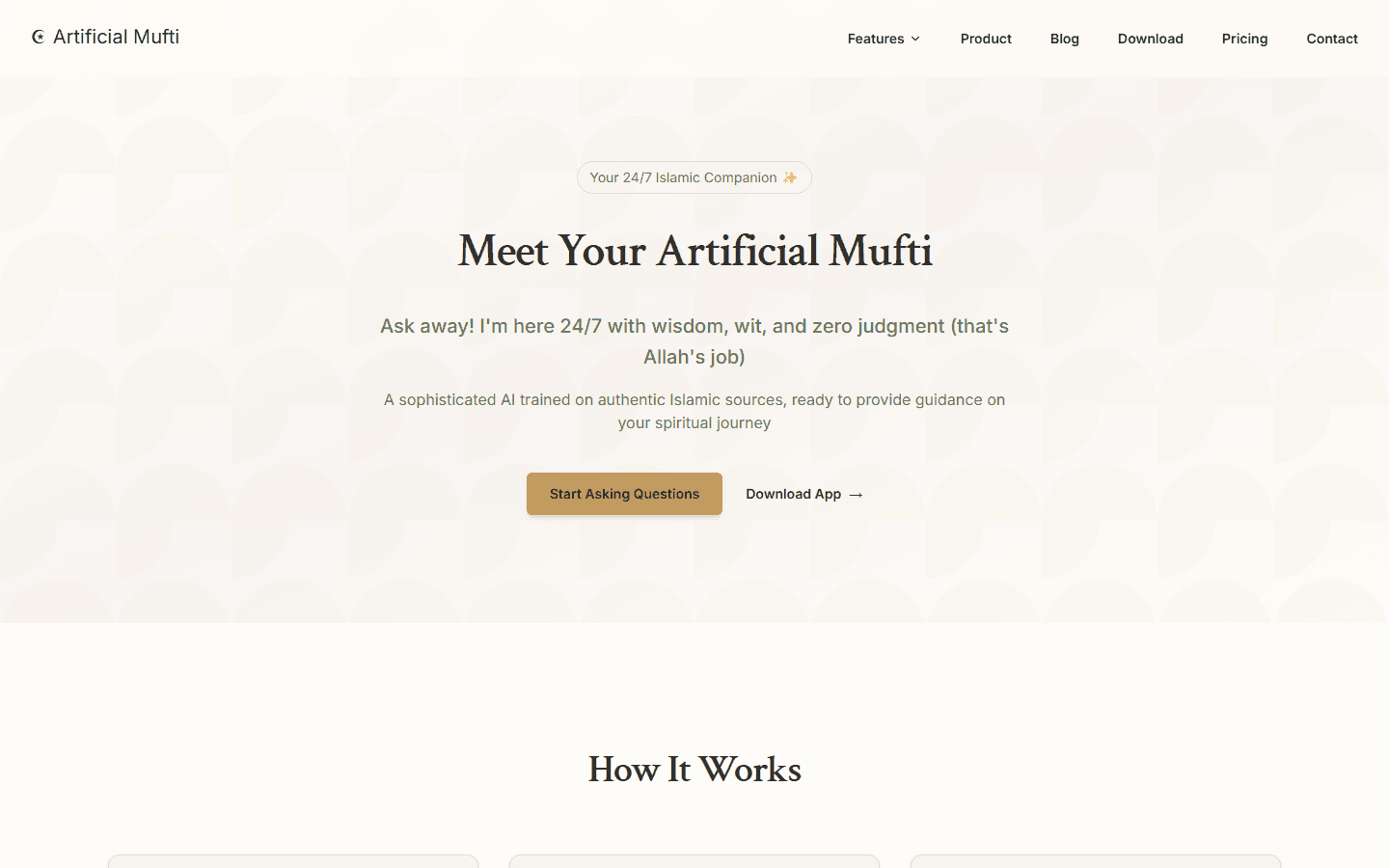
Artificial Mufti
Islamic guidance, powered by AI — instant answers, prayer tools, and Quranic wisdom on your phone.
- AI Mufti chatbot with source-backed answers
- GPS prayer times with Athan alerts
- Qibla direction finder via compass
AI Product / AI / Islamic
- Beta
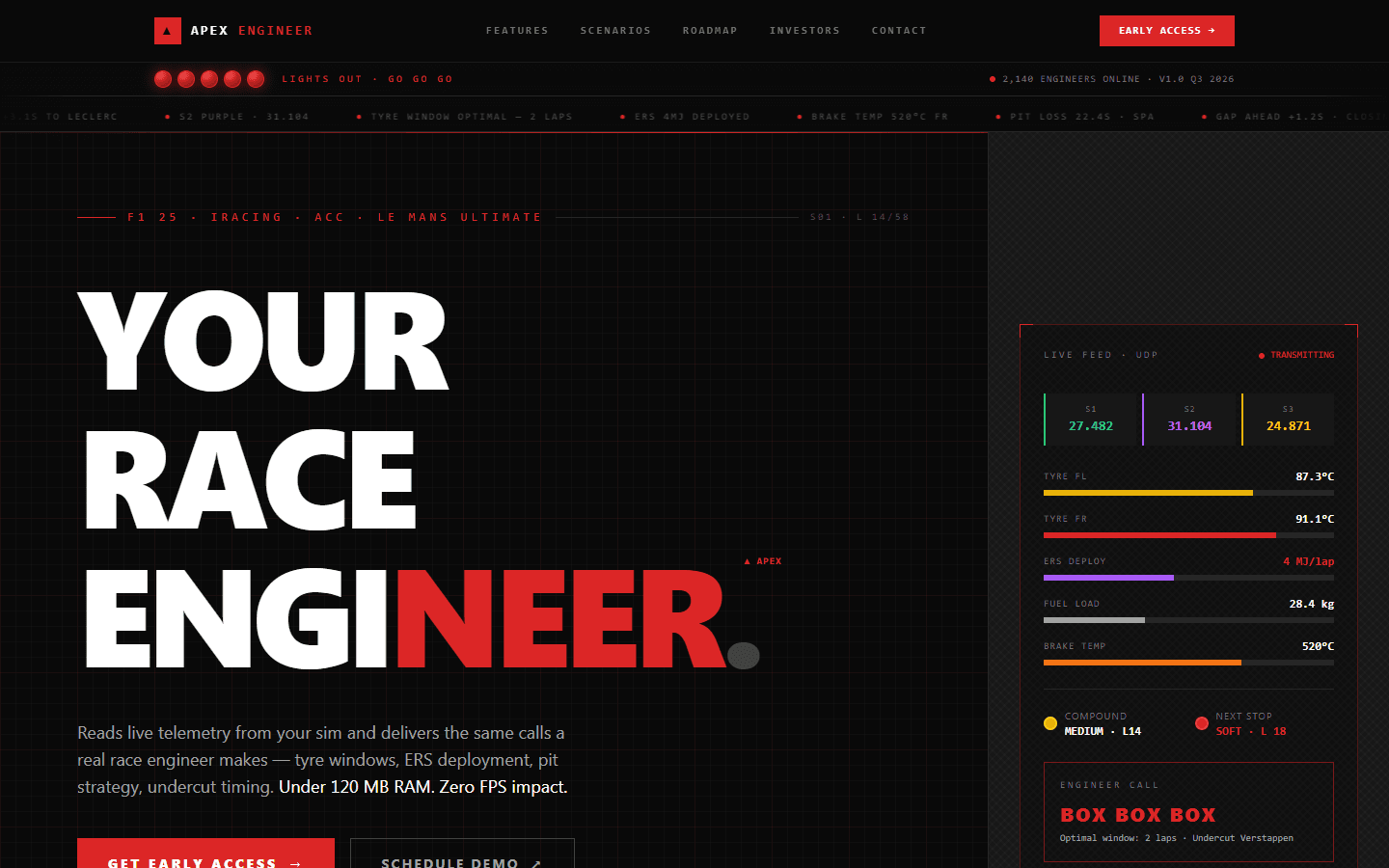
Apex Engineer
Your personal F1 race engineer — live strategy, setups, and split-second calls while you drive.
- Live race strategy calls (push, save, box)
- ERS / battery deployment guidance per corner
- Track-specific setup recommendations
AI Product / AI / Tauri
07 /
Related services
Build customer support chatbot
Support is drowning in tier-1 questions a chatbot could handle and your team is burnt out.
Integrate AI chatbot
You need an AI chatbot, not a scripted one — but you also need it to stay accurate and on-brand.
Create WhatsApp chatbot
You want a WhatsApp chatbot for customer support, lead capture, or ordering — but the Cloud API is a maze.
Integrate OpenAI chatbot
You want to use the OpenAI API but don't have anyone who has shipped one to production.
Create customer support AI
You need an AI layer over your support stack — triage, summarise, draft replies — without ripping out tooling.
RAG and knowledge search
Cited answers from your documents and systems.
08 /
Frequently asked questions
How accurate is an AI chatbot?
As accurate as the content and checks behind it, which is why we measure accuracy rather than promise it. Before launch the assistant runs against a test set of real questions with approved answers, and we report correct answers, correct handoffs and errors. Answers must come from retrieved content or live data; when neither supports an answer, the assistant says so and offers a person.
Can the chatbot hand conversations over to our support team?
Yes, and the handoff gets as much design as the answers. The assistant passes the conversation to your helpdesk or live chat tool, such as Zendesk, Intercom or Freshdesk, with a summary, the customer's details and what it has already tried. Typical triggers are a request for a person, a complaint, low confidence or a topic you mark as sensitive.
Can you build an AI voice assistant that answers phone calls?
Yes. The assistant connects to your phone system or a Twilio number, transcribes callers as they speak, works from your content and systems, and replies in a natural voice. It can book appointments, answer common questions, take messages and transfer calls with a summary. We tune it for response time, interruptions and accents, and it tells callers they are speaking with an automated assistant.
What does it cost to run an AI chatbot?
Running cost depends on conversation volume, message length and the models used, and for voice, on call minutes and speech services. We report cost per conversation from the first pilot and keep it down with smaller models for routine turns, cached answers to frequent questions and short, focused context. The build itself is quoted as a fixed scope once channels and integrations are agreed.
Will customers know they are talking to AI?
They should, and our assistants say so at the start. Disclosure builds trust, and in some places the law requires it for automated calls and chats. Customers can ask for a person at any point, and the assistant never claims to be human.
Ready to build AI that actually works in production?
Tell us about your AI project and get a free technical consultation within 24 hours. We'll map your use case, assess your data, and give you an honest feasibility assessment — no sales pitch.