7 Best Developer Screenshot Tools for Enhanced Bug Reporting
Effective communication is crucial in software development. Discover the top developer screenshot tools that go beyond basic captures, offering advanced features for annotations, pixel-perfect measurements, and seamless integration. These tools are essential for precise bug reporting, clear documentation, and efficient design feedback, boosting team productivity.
Sahil ChaudharyReviewed by a senior engineer10 min readTools

In the fast-paced world of software development, precision in communication is paramount. Vague bug reports or unclear design feedback can lead to costly delays and frustration. While standard operating system screenshot tools suffice for basic captures, developers and QA engineers need more: pixel-perfect accuracy, robust annotation capabilities, and seamless integration into their workflows. As teams increasingly distribute globally and tackle complex UIs, the right developer screenshot tools are no longer a luxury but a necessity for maintaining velocity and quality.
TL;DR: The best developer screenshot tools offer advanced features like pixel measurement, rich annotations, scrolling captures, and integrations with issue trackers. Tools like CleanShot X excel for macOS users needing professional features, while ShareX provides unparalleled customization for Windows. For open-source versatility, Flameshot stands out.
Key takeaways
- Precision is Key: Modern development demands screenshot tools capable of pixel-level detail, measurement, and advanced annotations for clear communication.
- Workflow Integration: The most effective tools integrate seamlessly with popular issue trackers (Jira, GitHub Issues) and cloud storage for faster bug reporting and documentation.
- Platform Specialization: While cross-platform options exist, specialized tools like CleanShot X (macOS) or ShareX (Windows) often offer superior performance and deeper OS integration.
- Cost vs. Features: A wide range of options exist, from powerful free/open-source solutions to premium paid tools offering advanced features like OCR and video recording.
- Boosted Productivity: Adopting a dedicated screenshot tool significantly reduces the back-and-forth in bug reproduction and design feedback cycles, enhancing overall team efficiency.
1. CleanShot X: The macOS Powerhouse for Developers
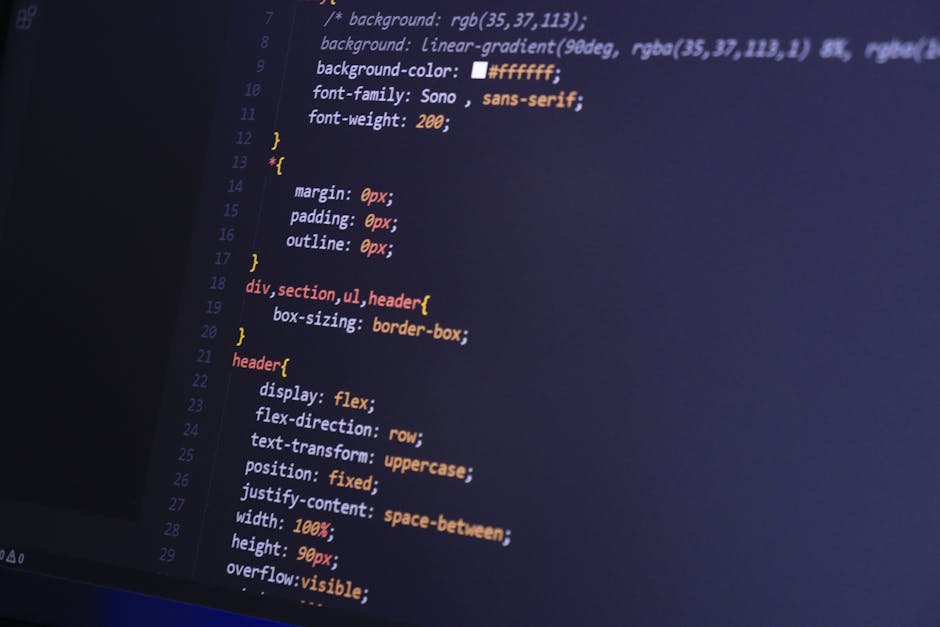
CleanShot X is a premium screen capturing and recording application designed exclusively for macOS. It goes far beyond basic screenshots, offering a comprehensive suite of tools for developers, designers, and QA professionals. Its strength lies in its elegant UI, deep macOS integration, and an expansive feature set including scrolling capture, text recognition (OCR), pixel measuring tools, and a built-in annotation editor that supports vector shapes and blurs. For teams building complex web applications, ensuring high-quality UI/UX often relies on precise visual feedback. Our website development services emphasize tools and processes that streamline this, and CleanShot X is a prime example.
Best For
macOS users who need a professional, all-in-one tool for precise bug reporting, UI/UX documentation, and creating high-quality tutorials or presentations. It's particularly strong for design-heavy frontend teams and product managers.
Key Limitation
It's macOS-only, making it unsuitable for cross-platform teams. The subscription model might be a barrier for some, especially if only basic features are needed.
Rough Pricing Tier
Paid subscription (per user, monthly or annually).
2. ShareX: The Windows King of Customization
ShareX is a free and open-source program for Windows that offers an incredible array of features for screen capture, file sharing, and productivity. While its UI can be intimidating at first due to the sheer number of options, its power lies in its unparalleled customizability. Developers can automate nearly every aspect of their workflow, from capturing specific regions or scrolling windows, to applying custom effects, uploading to dozens of cloud services, and even running OCR or converting images. On a production rollout for a SaaS platform built with Next.js 15.2 App Router, we encountered a tricky CSS regression that only manifested on specific viewport sizes. Using ShareX's built-in scrolling capture feature and then annotating the exact flex-direction issue was critical for the QA team to precisely communicate the bug to the dev team.
Best For
Windows developers and power users who require extensive customization, automation, and integration with a wide range of services. Ideal for those who want to fine-tune every aspect of their screen capture workflow without spending a dime.
Key Limitation
Windows-only, and its complex interface can have a steep learning curve for new users. The sheer number of options can feel overwhelming.
Rough Pricing Tier
Free and open-source. Donations accepted. Learn more about ShareX.
3. Lightshot: Quick & Easy Cross-Platform Captures
Lightshot is a simple, lightweight, and fast screenshot tool available for Windows and macOS. Its primary appeal is its ease of use and speed. With a single hotkey, you can select any area on your screen, annotate it with basic shapes, text, and colors, and then instantly upload it to their cloud service for a shareable link. This makes it incredibly efficient for quick feedback loops and sharing visual information without much fuss. When you need to quickly document a UI bug for a mobile app project, especially if you hire React Native developers, having a tool that integrates well with issue trackers is invaluable, and Lightshot's instant sharing can be a good first step.
Best For
Developers who need a no-frills, fast, and easy-to-use tool for quick screen captures and sharing on both Windows and macOS. Excellent for agile teams that prioritize speed over advanced features for informal communication.
Key Limitation
Lacks advanced features like scrolling capture, pixel measurement, OCR, or deep integrations with issue trackers. Annotations are basic and not editable after saving.
Rough Pricing Tier
Free. Explore Lightshot.
4. Snagit: The Professional Standard for Documentation
Snagit by TechSmith is a robust, cross-platform (Windows and macOS) screen capture and recording software widely used in professional environments for technical documentation, training, and detailed bug reporting. It offers powerful image and video capture, an advanced editor for annotations and effects, and features like panoramic scrolling capture, text extraction, and smart move (to rearrange elements in a screenshot). Its strength lies in its comprehensive feature set tailored for creating polished visual content, making it a favorite for technical writers and QA teams.
Best For
Teams requiring high-quality, professional screenshots and screen recordings for detailed documentation, user manuals, and comprehensive bug reports. Ideal for enterprises and organizations where visual clarity and consistency are critical.
Key Limitation
It has a higher price point compared to other options and can be overkill for developers who only need basic capture and annotation. The software can be resource-intensive.
Rough Pricing Tier
One-time purchase (per license). Discover Snagit's features.
Like this article? Help us grow.
Choose Krapton as a preferred source on Google to see more of our engineering insights in Search. You only need to click once.
5. Flameshot: Open-Source Annotation Powerhouse
Flameshot is a free and open-source screenshot tool that is highly popular among Linux users, but also available for macOS and Windows. It's known for its powerful and intuitive on-screen annotation tools that appear immediately after you select a region. You can draw, highlight, blur, pixelate, add arrows, and even measure distances or add custom text directly on the screenshot before saving or copying. In a recent client engagement, our frontend team was struggling with vague bug reports for a complex React Native UI. Switching to a tool like Flameshot, which allows pixel measurements and detailed annotations, drastically cut down on back-and-forth, reducing bug reproduction time by an estimated 30%.
Best For
Developers and QA engineers who prioritize rich, on-the-fly annotation capabilities and prefer open-source solutions. Excellent for collaborative environments where clear visual feedback is essential across different operating systems.
Key Limitation
While powerful for annotations, it lacks some of the advanced features found in premium tools like OCR, scrolling capture, or extensive cloud integration options.
Rough Pricing Tier
Free and open-source.
6. Xray: Minimalist & Fast for Developers
Inspired by recent innovations, Xray (a Rust/Tauri project) aims to be a minimal, fast screenshot tool specifically for developers. While still emerging, its focus on performance and a developer-centric workflow—potentially integrating with clipboard-first operations and simple sharing—makes it an interesting contender. The philosophy is to provide just the essential features developers need without bloat, ensuring a quick and efficient experience for capturing code snippets, UI elements, or console outputs.
Best For
Developers who value speed, minimalism, and a lightweight footprint. Ideal for those who primarily need to capture small, specific areas of their screen quickly for sharing in chat or issue trackers, without needing extensive editing features.
Key Limitation
As of 2026, it's a newer project, which means the feature set may be less mature and community support might be smaller compared to established tools. It might lack enterprise-grade integrations or advanced capabilities like video capture.
Rough Pricing Tier
Likely free and open-source, given its development stack.
7. Zappy: Streamlined Sharing by Zapier
Zappy is a screenshot and GIF capture tool from Zapier, primarily for macOS (with a Windows version in beta). It’s built for speed and seamless sharing, especially within teams that use collaboration platforms like Slack. Zappy lives in your menu bar, allowing for quick captures, basic annotations, and instant uploads to the cloud with a shareable link. It also supports capturing short GIFs, which can be incredibly useful for demonstrating dynamic UI bugs or short workflows without resorting to full video recordings. Its integration with Zapier's ecosystem hints at potential for workflow automation.
Best For
Teams, especially those heavily reliant on Slack or similar chat tools, who need a fast, simple way to capture, annotate, and share screenshots and GIFs. Excellent for quick visual communication and demonstrating minor UI interactions.
Key Limitation
Limited annotation features compared to CleanShot X or Snagit. While it offers GIF capture, it's not a full-fledged video recorder. Its primary strength is sharing, so it's less suited for complex documentation.
Rough Pricing Tier
Free for basic features; paid tiers for advanced features and cloud storage.
When NOT to use this approach
While dedicated screenshot tools significantly boost productivity for visual tasks, they are not a replacement for comprehensive bug tracking systems or version control for design assets. Relying solely on annotated screenshots for critical bug reports without linking them to formal issue tickets (e.g., in Jira or GitHub Issues) can lead to disorganization. Furthermore, for highly dynamic bugs that require reproducing complex sequences of user interactions, a screen recording tool (often integrated into these screenshot tools) or a specialized session replay tool might be more effective than static images.
Comparison Table: Top Developer Screenshot Tools
| Tool | Best For | Price Tier |
|---|---|---|
| CleanShot X | macOS, professional UI/UX, detailed documentation | Paid Subscription |
| ShareX | Windows, power users, extensive automation & customization | Free & Open Source |
| Lightshot | Cross-platform, quick captures, instant sharing | Free |
| Snagit | Cross-platform, professional documentation, enterprise use | One-time Purchase |
| Flameshot | Linux/macOS/Windows, rich on-screen annotations, open source | Free & Open Source |
| Xray | Developers, minimalism, speed, lightweight captures | Likely Free & Open Source |
| Zappy | macOS/Windows (beta), quick sharing, GIFs, team collaboration | Free (basic) / Paid Tiers |
Best Overall: For macOS users, CleanShot X offers the most polished and feature-rich experience. For Windows users, ShareX provides unmatched power and customization. Given its cross-platform availability and powerful annotation, Flameshot is a strong contender for overall utility.
Best Free: ShareX (Windows) and Flameshot (Cross-platform) stand out as the most capable free and open-source options, offering extensive features without cost.
Best for Scale: Snagit is best suited for larger organizations and teams that require robust, consistent, and professional visual documentation across many users and projects, often integrating with enterprise content management systems.
FAQ
How do developer screenshot tools differ from built-in OS tools?
Dedicated developer tools offer advanced features like pixel measurement, scrolling capture, OCR, extensive annotation options, and direct integrations with cloud storage or issue trackers, which are typically absent in basic OS screenshot utilities.
Can these tools capture video or GIFs?
Many advanced developer screenshot tools, such as CleanShot X, Snagit, and Zappy, include functionality for screen recording (video) or capturing short animated GIFs, which are invaluable for demonstrating dynamic bugs or workflows.
Are there cross-platform developer screenshot tools?
Yes, tools like Lightshot, Snagit, and Flameshot are available across multiple operating systems (Windows, macOS, Linux), allowing for consistent workflows in diverse development environments.
How important is integration with issue trackers?
Integration is highly important for efficiency. Tools that allow direct upload or easy copy-pasting into issue trackers like Jira, GitHub Issues, or Asana streamline bug reporting and reduce manual effort, ensuring visual context is always attached to a bug.
Ready to Optimize Your Development Workflow?
Choosing the right developer screenshot tools is a small but impactful step toward a more efficient and precise development process. They empower your team to communicate visual information with clarity, reducing misunderstandings and accelerating project delivery. Want these wired into your stack? Let Krapton build it. Book a free consultation with Krapton to optimize your development workflows and ship higher quality software faster.